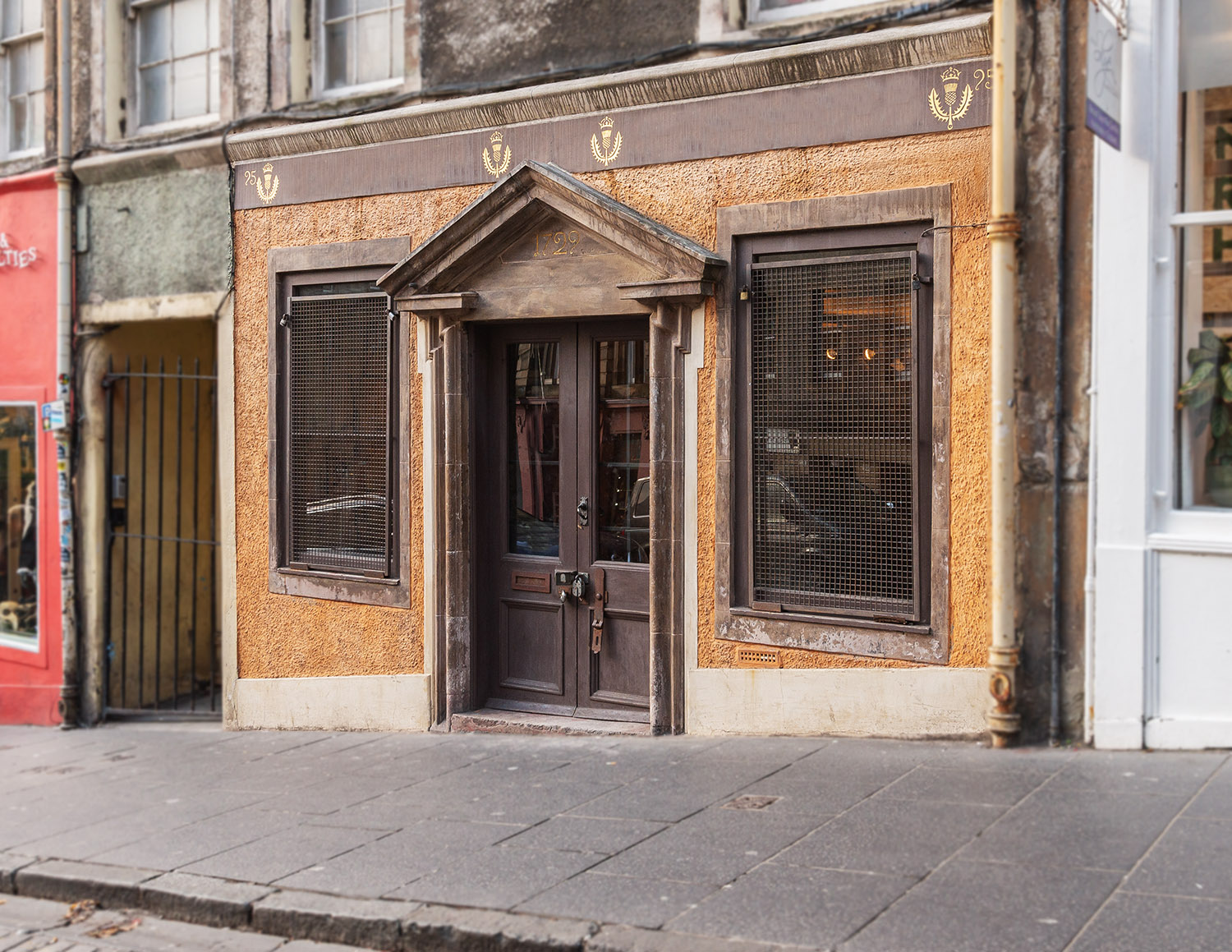
Est. 1729 · Edinburgh Old Town
95 West Bow
A historic shopfront in the heart of Edinburgh's most storied street
Scroll to explore
Est. 1729 · Edinburgh Old Town
A historic shopfront in the heart of Edinburgh's most storied street
The Building
Standing at the foot of West Bow where the cobblestones meet the Grassmarket, Number 95 is one of Edinburgh's most enduring retail addresses. Built in 1729, this remarkable building has witnessed nearly three centuries of city life — from horse-drawn carriages navigating the old Z-shaped route to Castlehill, to the bustling cobblestone street beloved by visitors today.
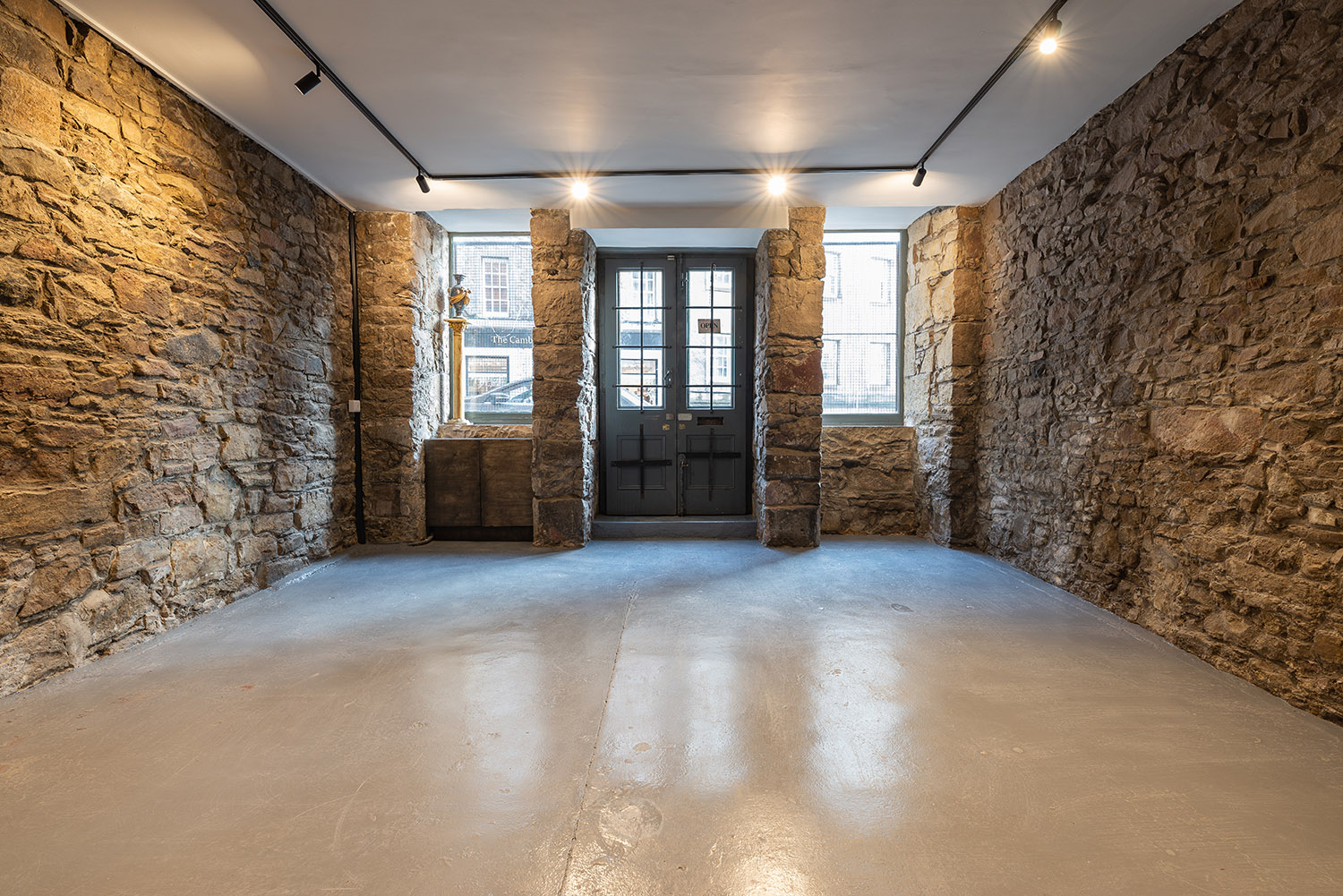
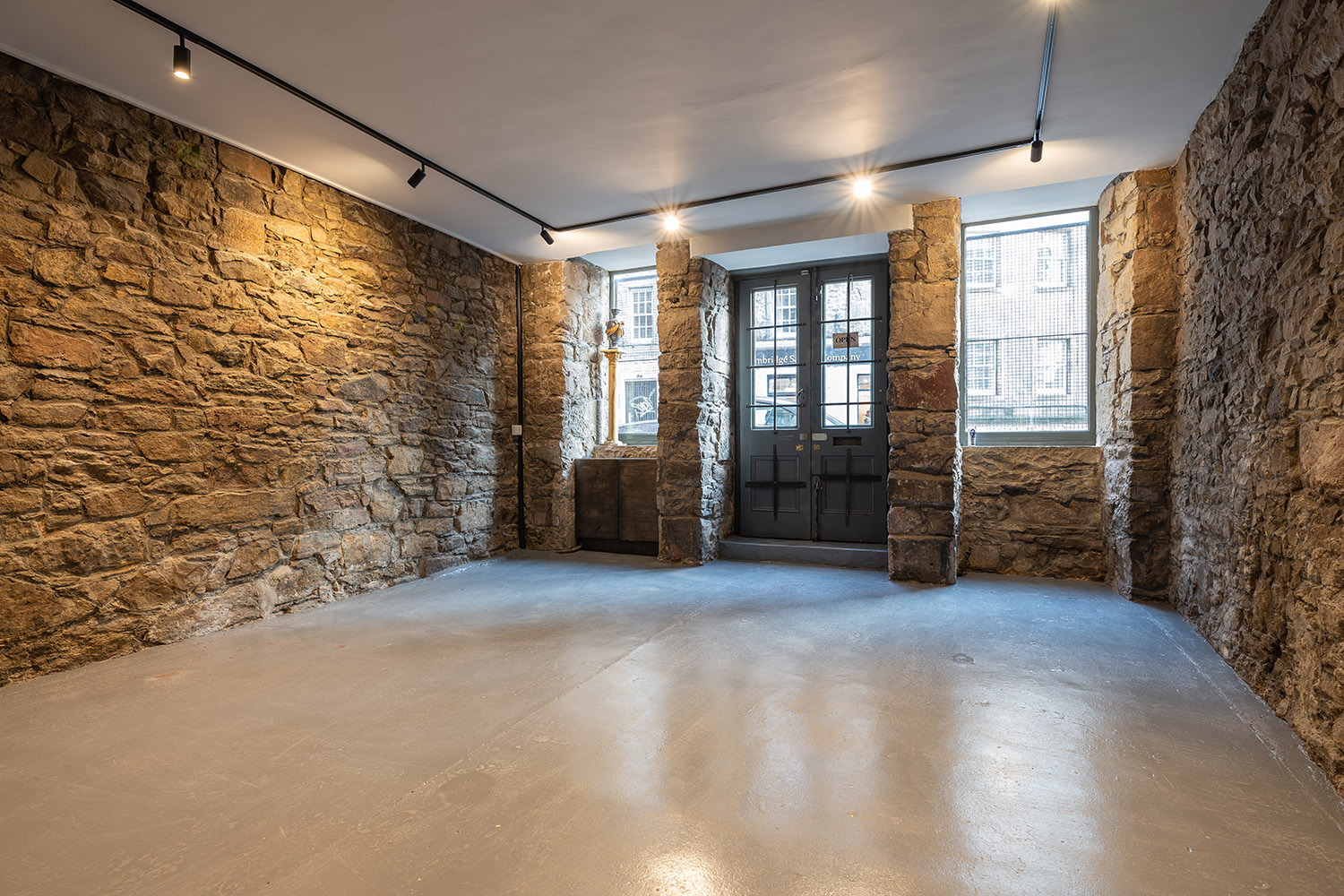
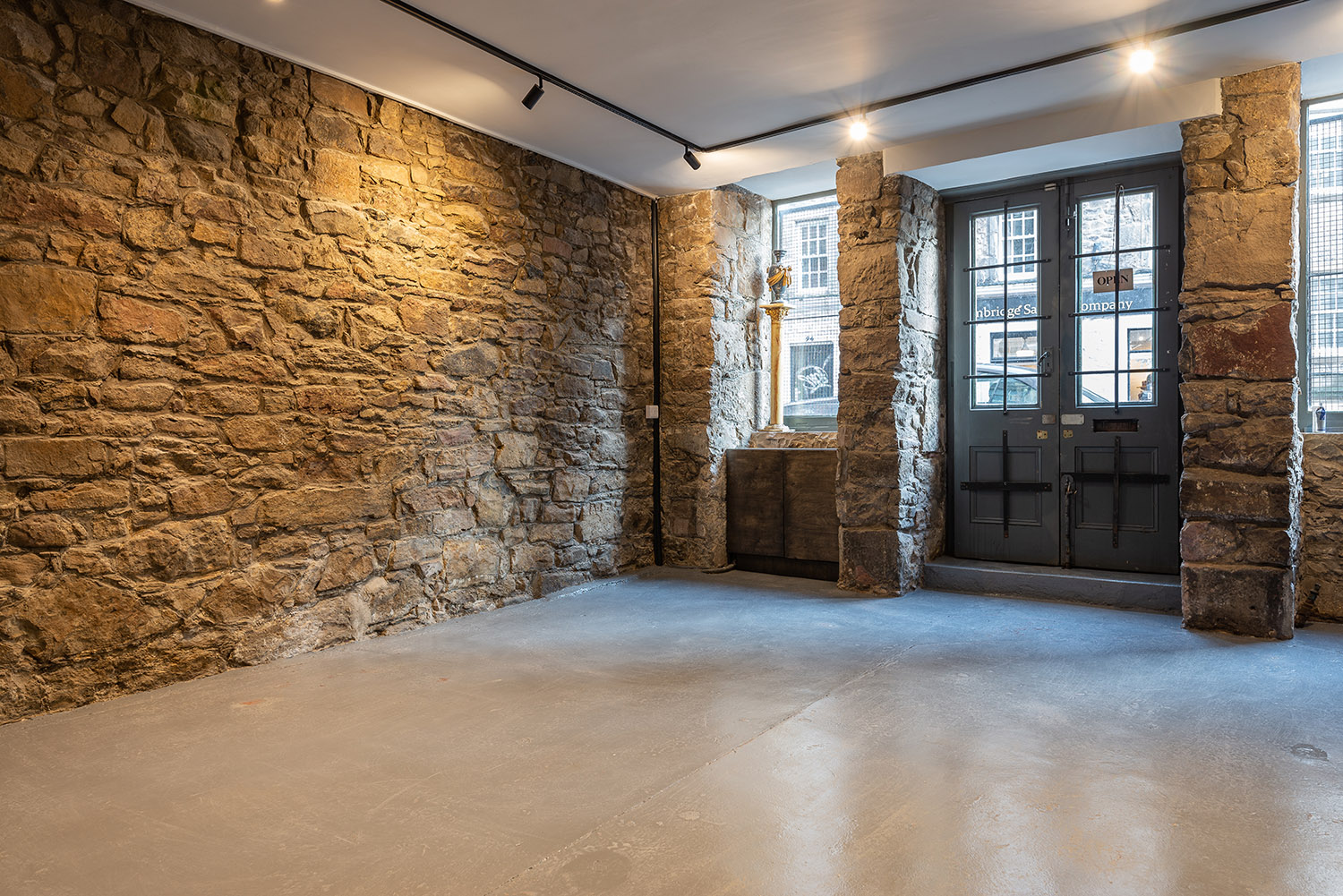
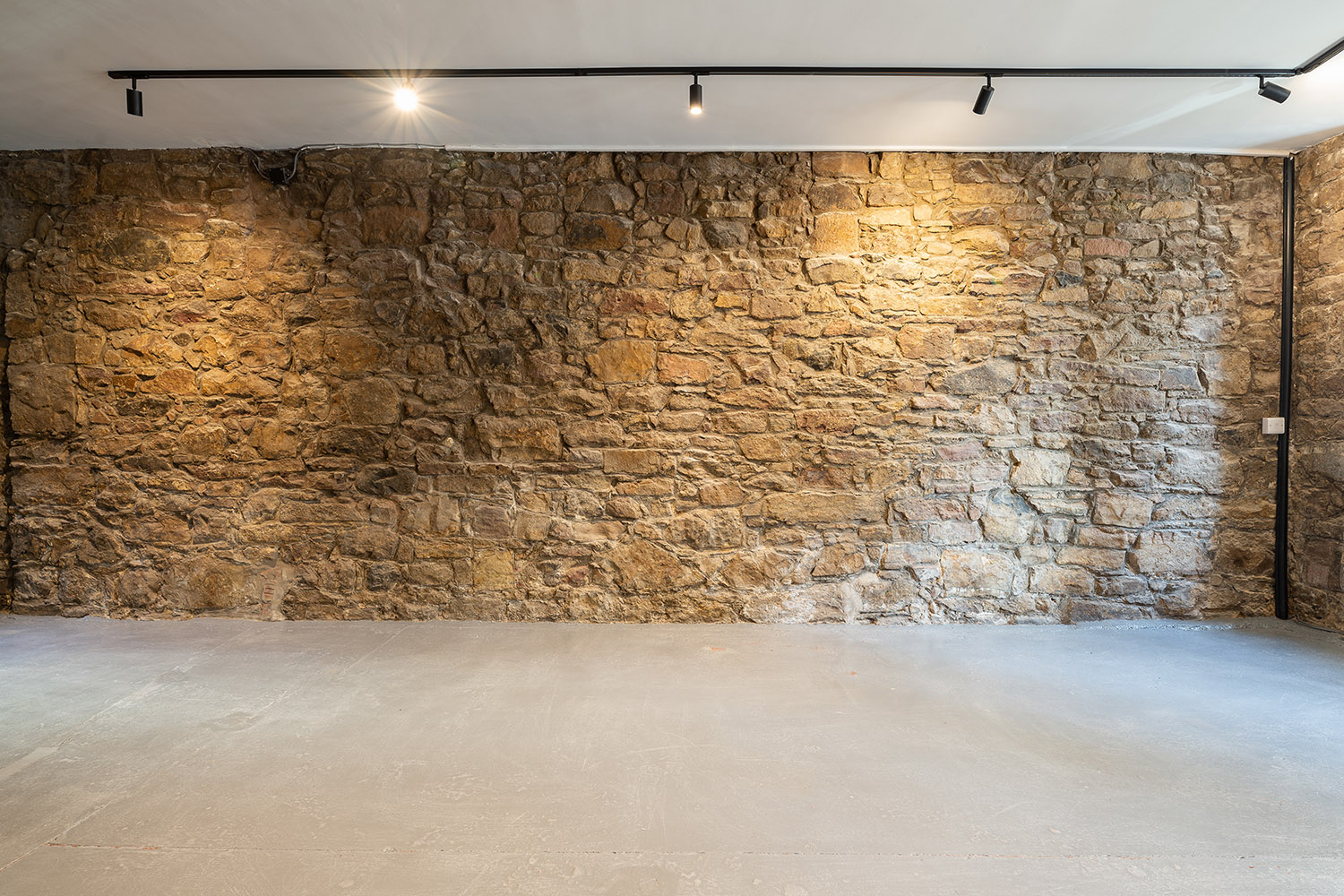
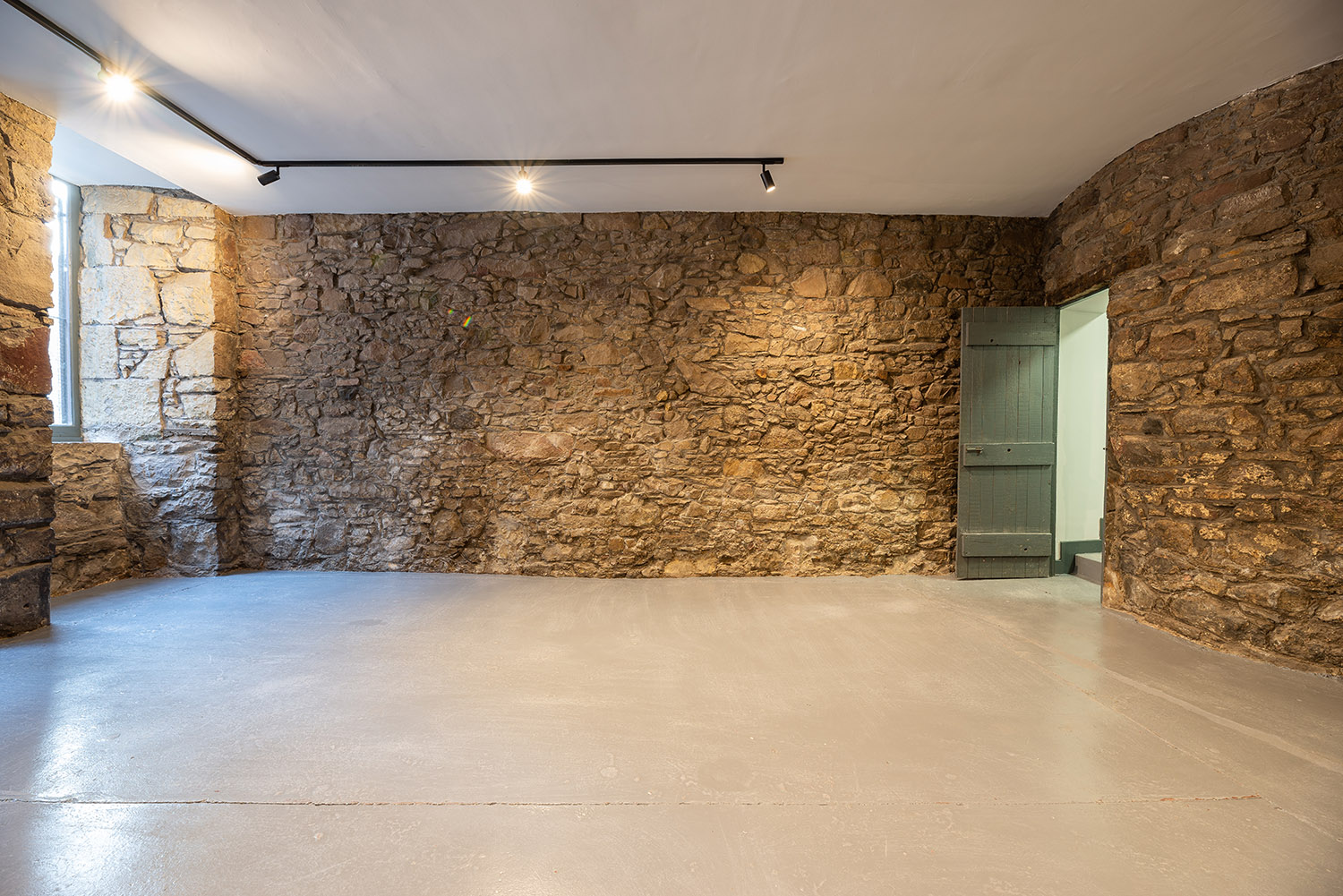
The shop occupies a ground-floor tenement arch typical of Edinburgh's Old Town character. Its thick stone walls, worn thresholds and period details speak of extraordinary continuity — a place where commerce and history exist side by side.
Located at 95 West Bow, Edinburgh EH1 2JP, the building sits at the eastern end of the Grassmarket, steps from Victoria Street's famous coloured facades and within easy walking distance of Edinburgh Castle and the Royal Mile.
Inside & Out
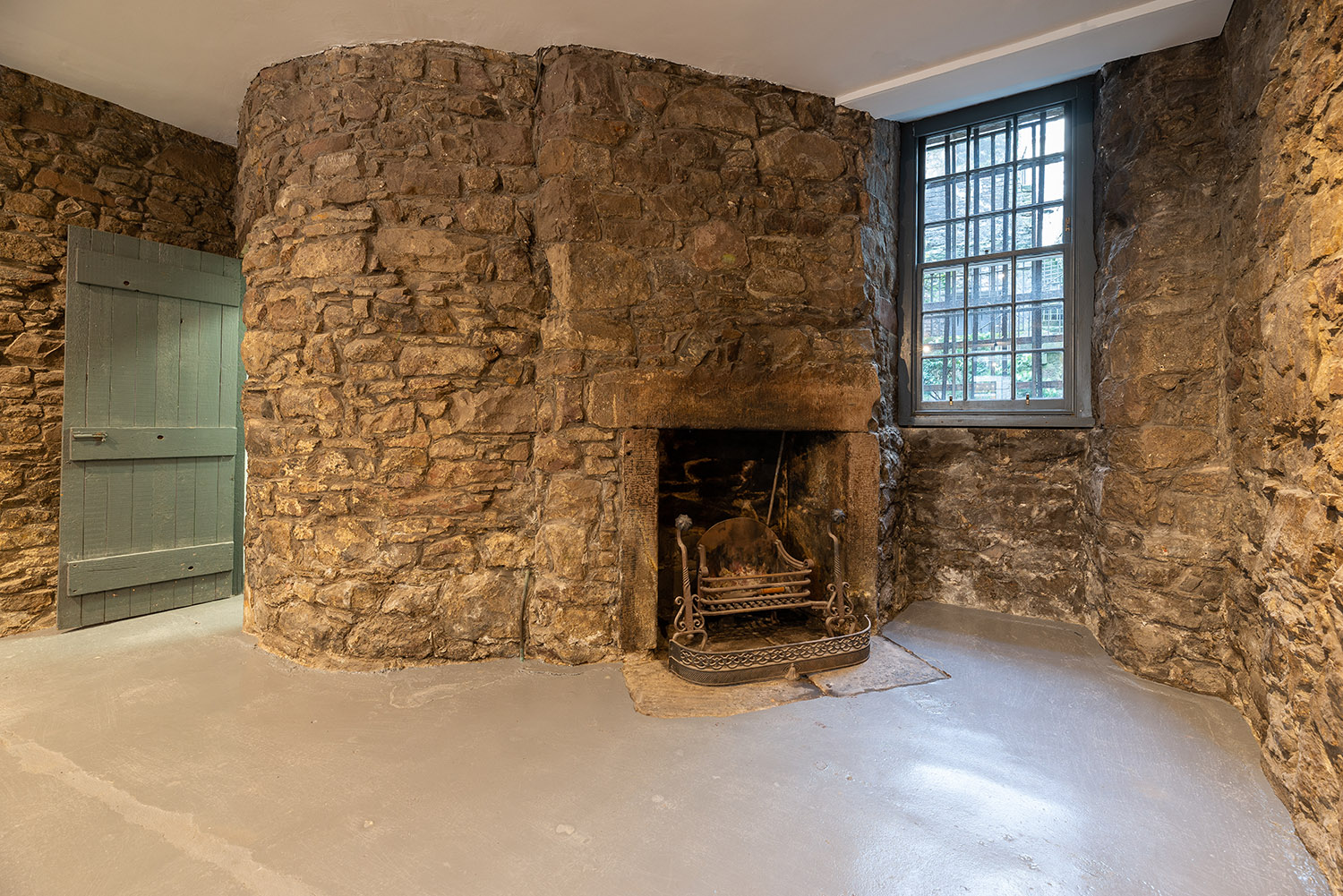
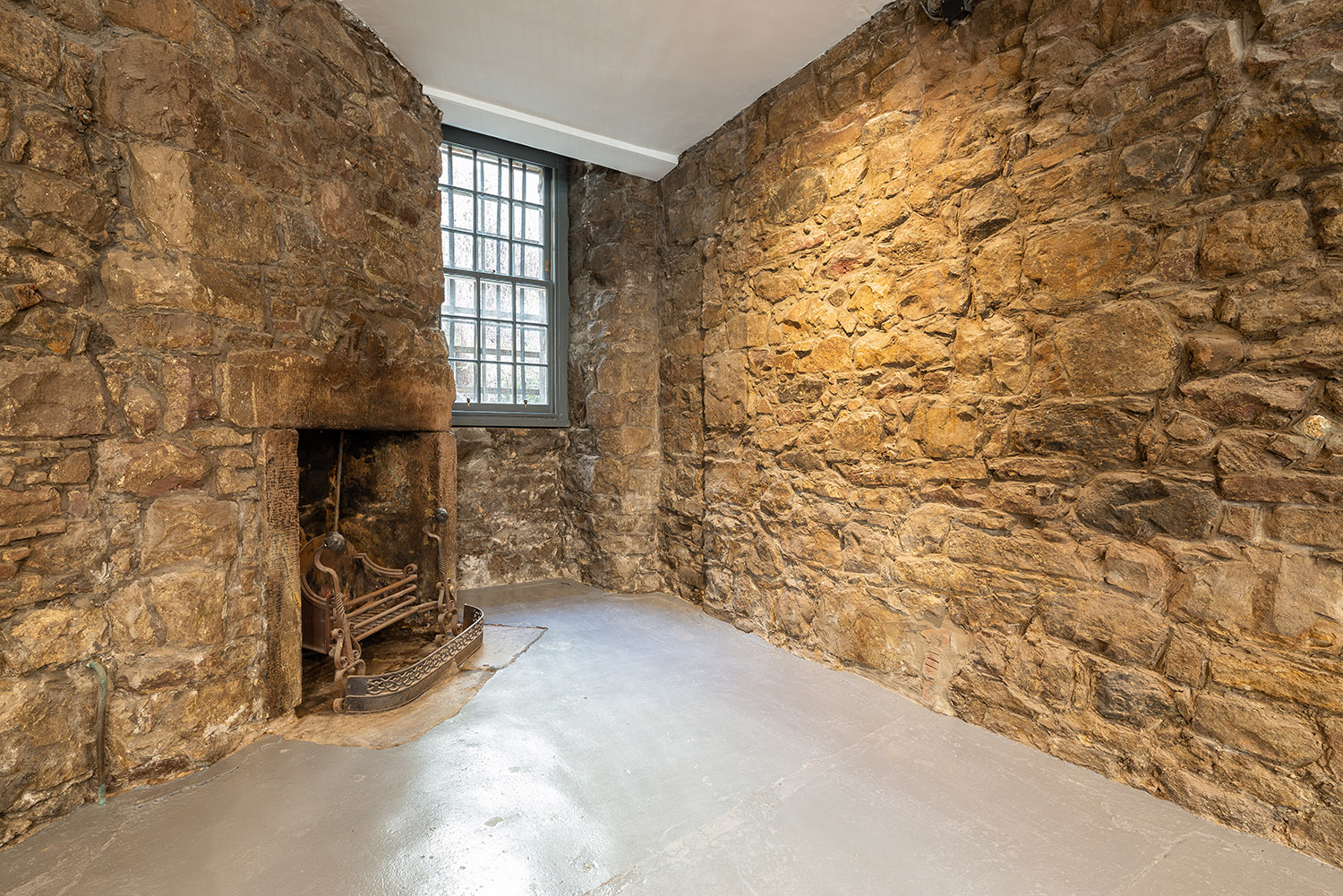
A beautiful historic space with original stone work dating back to 1729 with the original fireplace.
Click any image to view full screen
The Story of the Street
West Bow and Victoria Street form one of the most historically layered thoroughfares in Britain. First recorded in 1160, this ancient route has shaped the destiny of Edinburgh's Old Town for over 860 years.
First recorded in written records, the street takes its name from the Old Scots word "bow" meaning arch or gate — a reference to one of the earliest gates of the medieval city. The West Bow was the sole western approach into Edinburgh's fortified core, a narrow Z-shaped lane snaking steeply up to the Lawnmarket and Castlehill.

A fresh water well — the Bowfoot Well — was erected at the foot of West Bow in 1674, providing the first reliable public water supply for this part of the city. The well's stone canopy still survives at the junction with the Grassmarket, a quiet monument to civic life in an era before plumbing.

Major Thomas Weir, a respected military man and lay preacher, lived on the West Bow and was publicly adored as a pillar of piety. In 1670, he confessed to crimes including necromancy and witchcraft and was executed at Greenside. His house stood empty for over a century — locals refused to enter it, certain it was haunted by his spirit. When the old West Bow was demolished in the 1830s, Weir's dwelling vanished with it, but his legend never did.

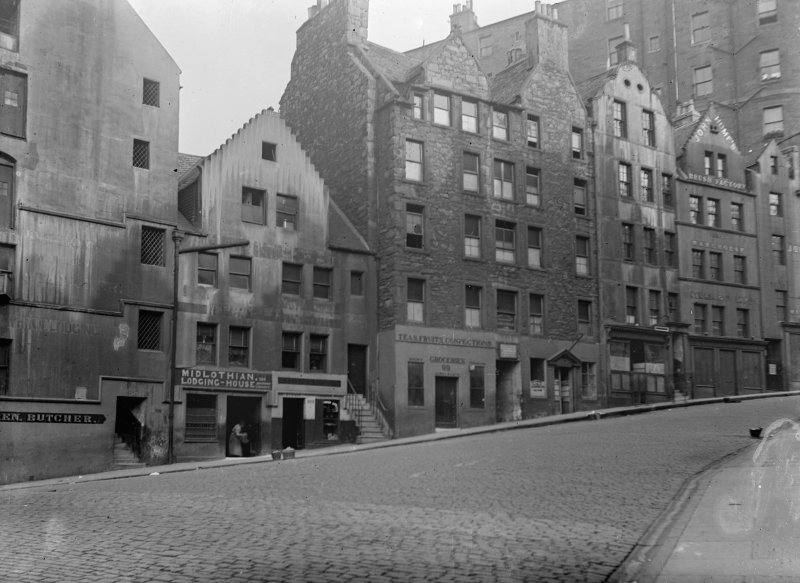
The building now known as 95 West Bow was constructed, joining a row of stone tenements that had lined this street for generations. It was built in an era when West Bow was a thriving commercial hub — a centre particularly noted for its pewterers, metalworkers and craftsmen. The building stands as one of the street's oldest survivors.

Architect Thomas Hamilton's 1827 Improvement Act set in motion a radical transformation of the old West Bow. The steep, impossible Z-shaped lane was replaced by a gently curving new street — Victoria Street — linking the Grassmarket to the newly built George IV Bridge. Countless medieval buildings were lost forever, but the lower section of West Bow, including Number 95, was preserved. Hamilton gave the street an unusual Old Flemish architectural character, distinct from his usual neo-classical style, producing the colourful, curved streetscape that has enchanted visitors ever since.

With Queen Victoria's ascension to the throne, the upper portion of the new street was renamed Victoria Street in her honour. The lower section — including Number 95 — retained the ancient name West Bow. Today the road changes name at the Bow Bar pub halfway up the hill, a quirk that preserves the memory of the medieval thoroughfare beneath the Victorian improvement.

West Bow and Victoria Street form part of Edinburgh's UNESCO World Heritage Site. The street is celebrated internationally — widely claimed as one of the inspirations for Diagon Alley in J.K. Rowling's Harry Potter novels, it draws visitors from every corner of the world. The Victoria Terrace pedestrian walkway above even featured as a Windows 10 desktop wallpaper, bringing the view into millions of homes worldwide. Amid this global fame, 95 West Bow continues its centuries-old tradition of local commerce.

Plan Your Visit
95 West Bow sits at the eastern end of the Grassmarket in Edinburgh's Old Town — one of the most accessible parts of the city. Edinburgh Waverley Station is just an 8-minute walk away.
From Edinburgh Waverley Station, walk south along the Royal Mile to the Lawnmarket, then descend via the ancient steps of Upper Bow into West Bow — an 8-minute walk through the heart of the Old Town. From Princes Street, allow 12–15 minutes via the Mound.
The nearest bus stops are at Grassmarket (served by route 2) and George IV Bridge (served by routes 8, 24, 27 and 41). Lothian Buses run 24 hours a day across the city. Use the Bus & Tram app for live times and tickets.
lothianbuses.com ↗Edinburgh Trams run between Edinburgh Airport and Newhaven, passing through the city centre. Alight at St Andrew Square (a short walk from Waverley) then proceed on foot, or connect to a bus for the Old Town. Trams run every 7 minutes during the day.
edinburghtrams.com ↗Edinburgh Waverley is the main city-centre station, served by ScotRail, LNER, TransPennine Express and others with connections across Scotland and the UK. Haymarket Station is an alternative for those arriving from the west. Both are within comfortable walking distance of the Old Town.
scotrail.co.uk ↗Airlink 100 buses connect Edinburgh Airport to Waverley Bridge every 10 minutes, with a journey time of around 30 minutes. The Edinburgh Tram also connects the airport directly to the city centre. From Waverley, West Bow is an 8-minute walk.
Airlink 100 ↗Edinburgh has over 1,000 black cabs, easily hailed on the street or found at ranks on Market Street, South St Andrew Street and Lothian Road. Uber and other private hire vehicles also operate in the city.
Get in Touch
95 West Bow
Edinburgh
EH1 2JP
Scotland
Eastern end of the Grassmarket
Edinburgh Old Town
UNESCO World Heritage Site